James Hardie Junior ADU Conversion: The Torrance Owner’s Guide
If your James Hardie-sided junior ADU is showing siding failure, water intrusion, or framing issues behind the panels, we stock the replacement materials and do the conversion work in Torrance. Typical junior ADU conversion work on a Hardie-clad structure runs $45,000 to $120,000 installed, depending on whether we’re re-siding only or rebuilding wall assemblies. Most owners discover the problem the same way: a soft spot near the bottom of a wall, a musty smell that won’t leave, or paint that keeps peeling in one area no matter how many times it gets touched up.
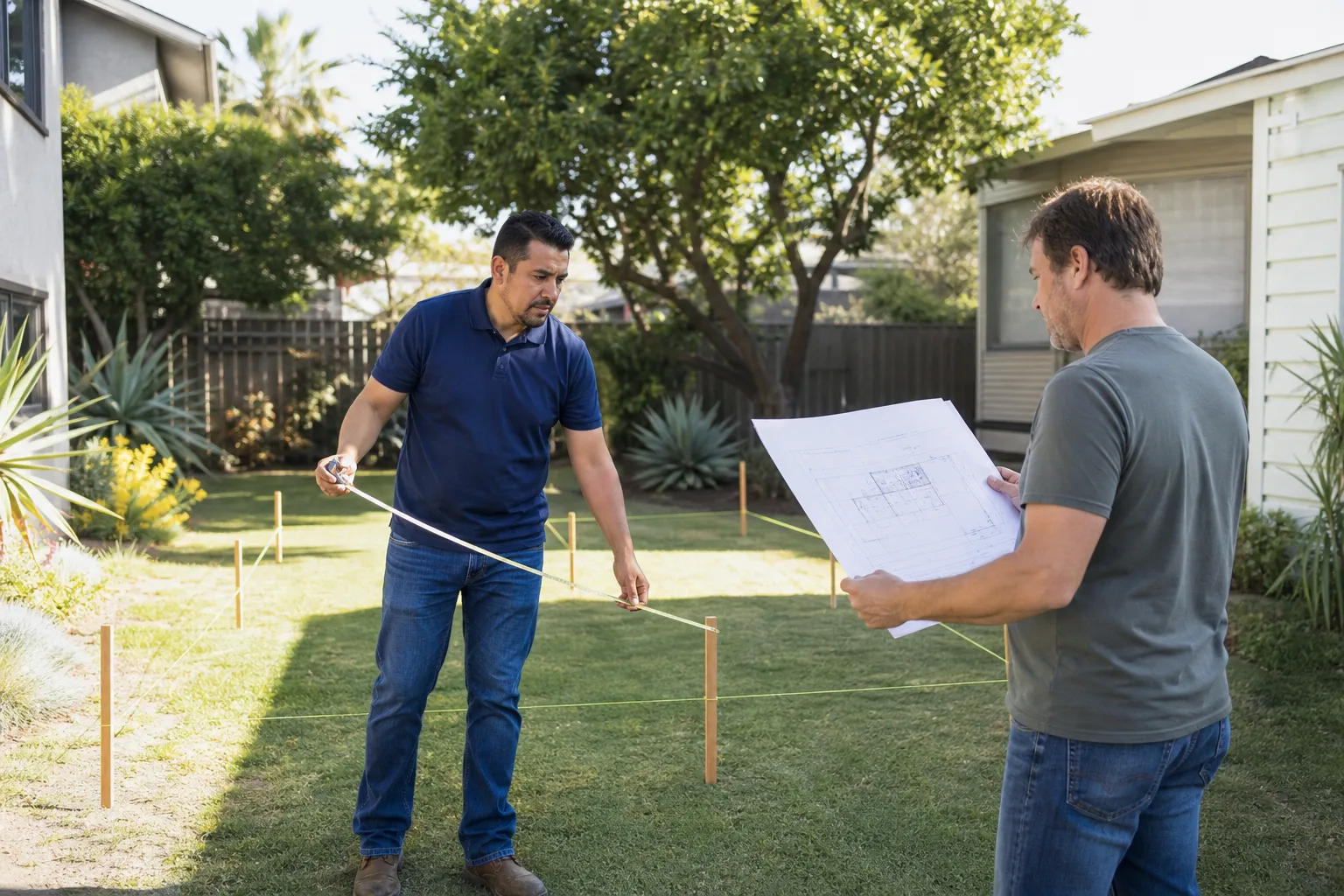
Fielding ADU Torrance handles the full junior ADU conversion, not just the siding. That matters because a failed James Hardie panel is rarely the whole story. The panel usually fails because something behind it failed first: a missing kickout flashing, a bad window seal, or a bottom course installed too close to grade. We strip it, fix what caused the failure, and put the Hardie back so it stays put. Reed Calloway has worked enough Torrance lots to know the difference between a siding problem and a building envelope problem, and we price it accordingly.
Key takeaways:
- Junior ADU conversion work on Torrance lots typically lands between $45,000 and $120,000 depending on scope.
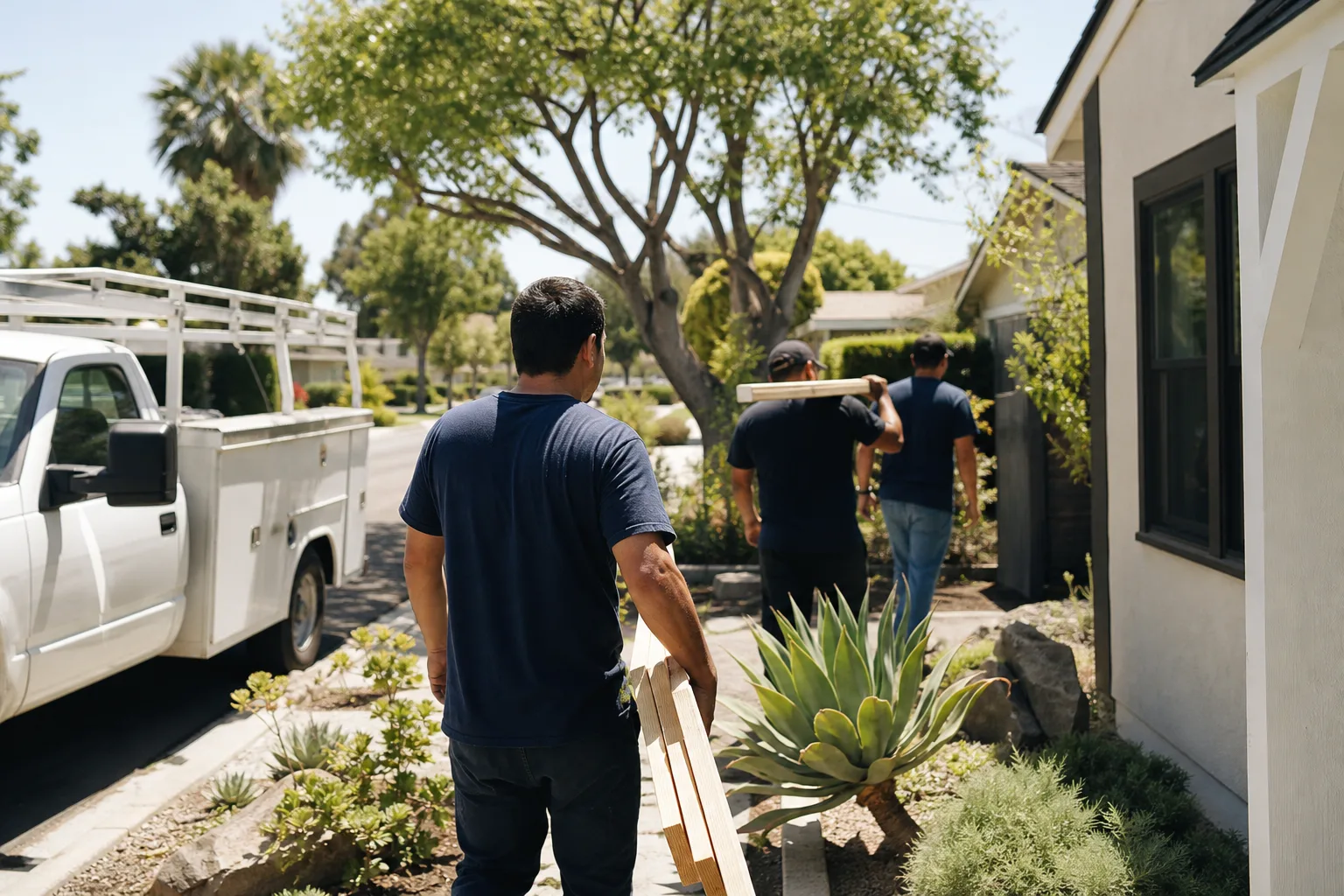
- We carry James Hardie plank, panel, and trim on the truck for most Torrance service calls.
- Fielding ADU Torrance is an independent service provider, not affiliated with James Hardie.
- Every job gets a written price before work starts and a one-year written guarantee when it’s done.
Which James Hardie Models This Applies To
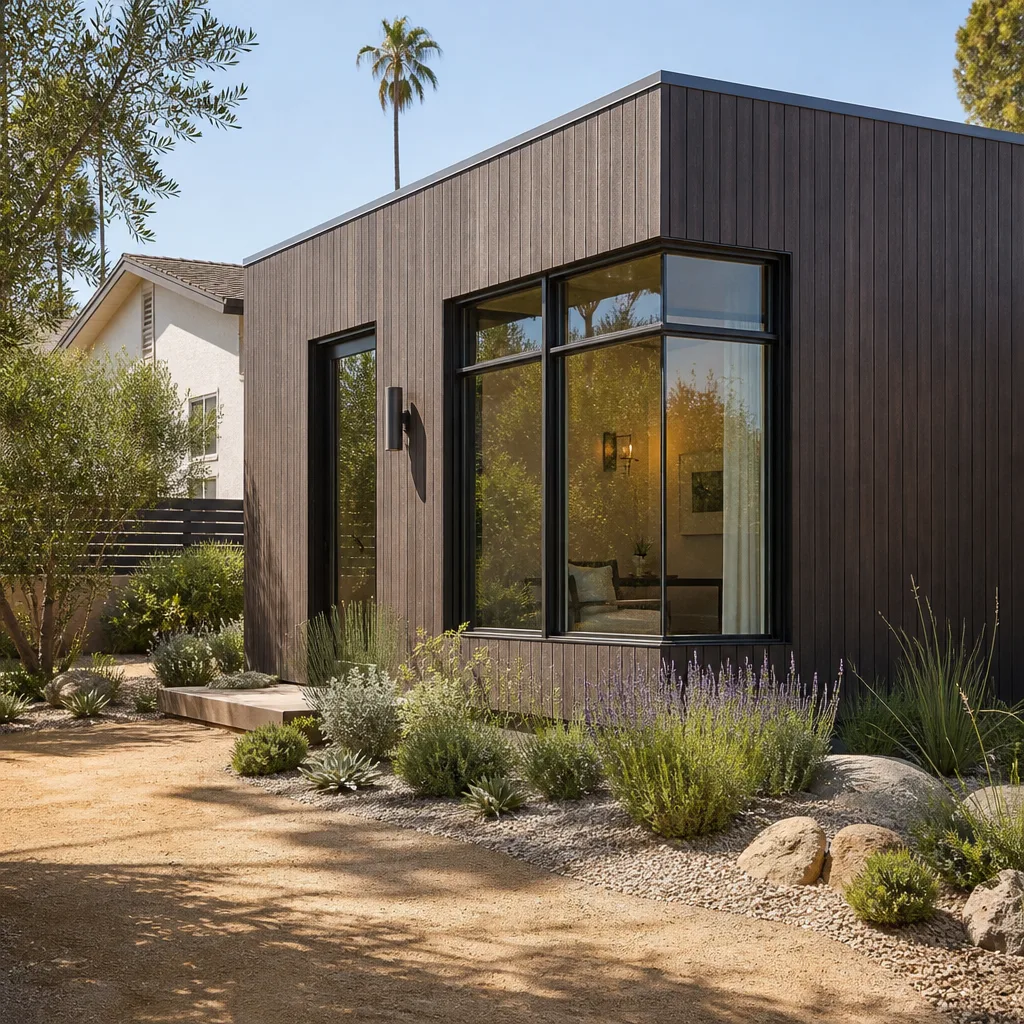
James Hardie siding comes in several product lines, and they are not interchangeable. The two you’ll find on most Torrance junior ADUs are HardiePlank lap siding (the horizontal boards) and HardiePanel vertical siding (the 4×8 or 4×10 sheets). Within those lines there are regional spec differences: HardieZone HZ5 product is engineered for hot, dry climates, while HZ10 includes more moisture-resistant formulation for coastal exposure. Torrance sits close enough to the coast that we install HZ10 product on anything within a few miles of the water, because we’ve seen HZ5 panels absorb morning marine layer moisture and swell at the bottom edges.
To identify what you have, look for the printed spec info on the back side of a removed panel, or the barcode label on any uninstalled stock left behind after your original build. The model number tells you the zone, the thickness (5/16 inch or 7/16 inch), and the texture (smooth or woodgrain). If the original paperwork is gone, we can match it from a field inspection.
On the OEM versus aftermarket question: James Hardie is the OEM, and for structural or fire-rated assemblies we use genuine Hardie product, period. There are cheaper fiber cement equivalents, but the joint profile and fastener boss tolerances differ enough that mismatched panels telegraph through the paint line. If the assembly is non-structural trim, we may quote an aftermarket fiber cement option that looks and behaves the same. We’ll put both numbers in writing so you decide with your eyes open.
Signs Your James Hardie Junior ADU Conversion Is Failing
- Swelling or wicking at the bottom course. Panels installed less than 6 inches above finished grade pull moisture up from the ground contact zone. In Torrance, where morning dew and marine layer sit on the soil, we see this on units built close to grade without a proper capillary break.
- Paint failure in a vertical stripe below a window or roof transition. This is the classic kickout flashing problem. Water runs down the wall, hits the window or roof edge, and gets directed behind the siding instead of away from it. The panel stays wet long enough that paint loses bond.
- Brittle edges or crumbly corners at panel joints. Fiber cement does not decay like wood, but repeated wet-dry cycles eventually eat the edge. Once a corner starts crumbling, the panel has lost its structural integrity at that point and will only get worse.
- Gaps opening at butt joints. James Hardie panels move with temperature and moisture. If the original installer butted panels tight instead of leaving the spec gap (typically 1/8 inch) and using the factory-recommended joint flashing, the panels press against each other and the corners crack or bow.
- Mold lines or dark staining on the interior drywall at panel seams. By the time you see this, water has been getting behind the siding for a while. The panel itself may still look fine from outside. We’ve opened walls in Torrance where the Hardie was doing its job and the housewrap behind it was the part that failed.
Replacement Cost & What’s Included
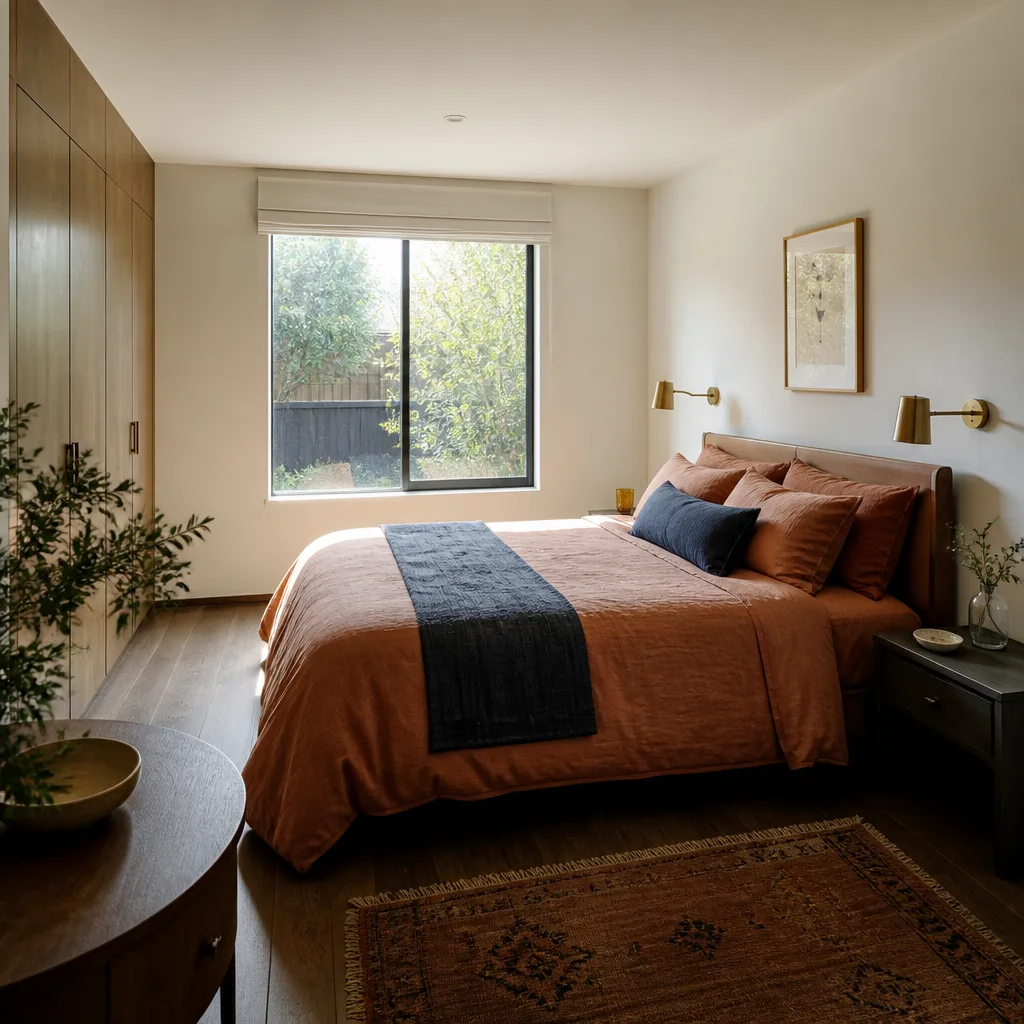
A full re-side on a junior ADU in Torrance, which means removing the old James Hardie panels or planks, inspecting the wall assembly, replacing any failed housewrap or flashing, and installing new Hardie with proper joint treatment and paint, typically runs $18,000 to $35,000 depending on unit size and how much underlying repair the wall needs. That number includes materials, labor, flashing replacement, and paint. It does not include structural repairs if the framing behind the siding has rot or termite damage, which we quote separately after we open the wall.
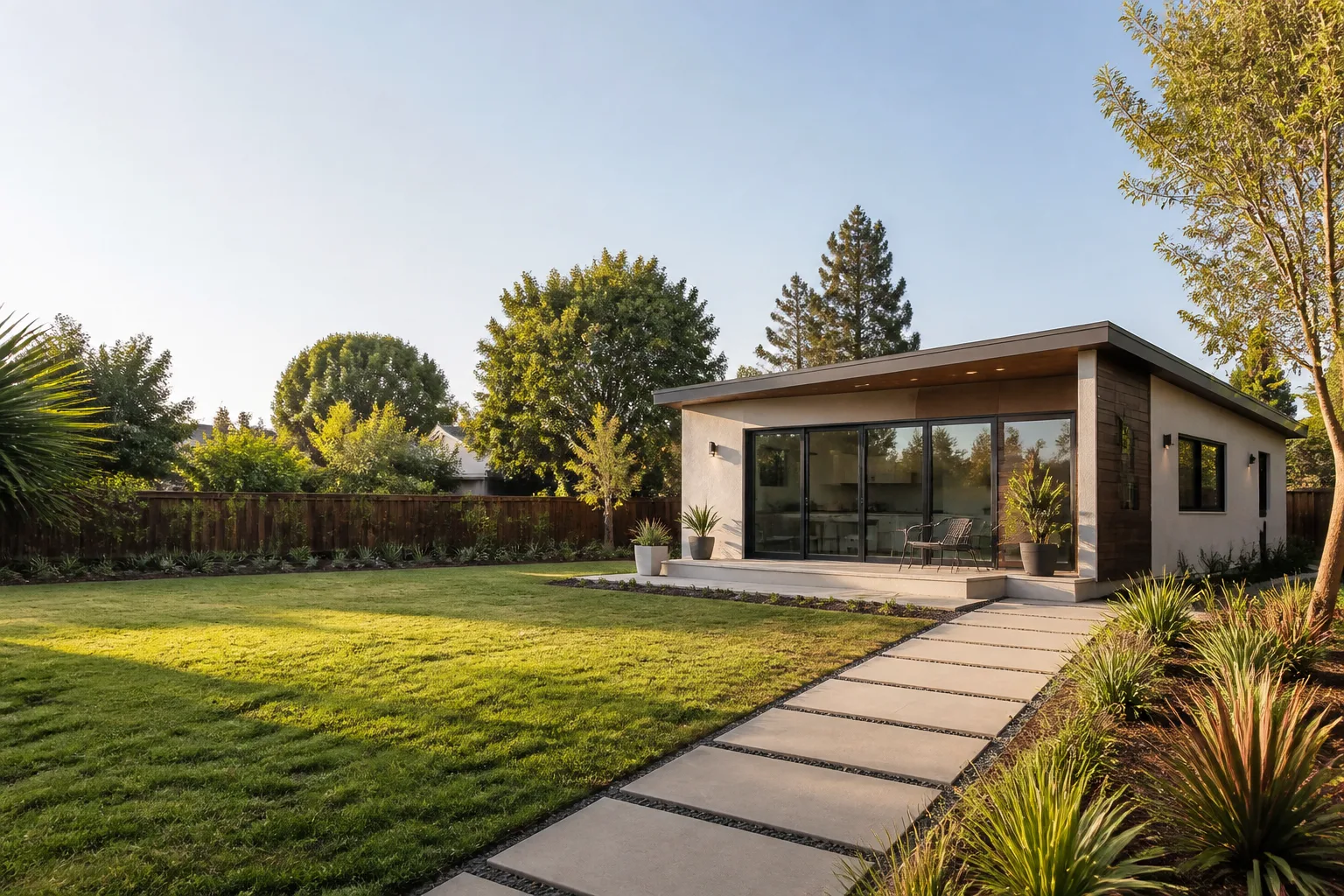
If the siding is fine and the conversion means something else entirely, like converting an existing structure into a legal junior ADU with its own entrance, kitchenette, and bath, the scope changes. That work in Torrance typically runs $85,000 to $120,000 when done to code with permits, because it means running new mechanical, electrical, and plumbing lines, adding a separate exterior door, and meeting the city’s fire separation requirements. We put every line item in writing before work starts. The number on the first page is the number on the final invoice. The Garrison Standard covers workmanship defects for 365 days; if something fails, we come back and make it right at no charge.
DIY or Call Us?
If you’re looking at a failing Hardie panel and wondering whether you can handle it yourself, the honest answer is: you can remove a single damaged plank and check what is behind it, but replacing it correctly is harder than it looks. James Hardie panels are heavy. A 4×8 sheet runs about 80 pounds, and cutting it requires either a fiber cement shear or a circular saw with a polycrystalline diamond blade and serious dust control. Silica dust from cutting fiber cement is a genuine respiratory hazard. We use dust extraction on every cut, and if you are going to attempt it yourself, you should too.
What goes wrong when homeowners do it themselves is not usually the panel itself. It is the flashing. The kickout flashing at the roof-to-wall transition, the head flashing over windows, the weep screed at the base plate, the joint treatment between panels. If any of those are off, the new panel fails the same way the old one did, just a little slower. We have followed enough DIY re-sides in Torrance to know the pattern. If you want a second set of eyes on a panel you pulled, call (424) 358-3068 and we’ll tell you over the phone what you’re looking at. If you’d rather we just handle it, the estimate is free.
FAQs
James Hardie siding carries a 30-year limited product warranty, and in Torrance’s climate, properly installed Hardie with correct flashing and proper clearances should last 25 to 30 years before it needs full replacement. The panels fail early only when the installation details were wrong or the wall assembly behind them failed first.
Yes, if the damage is localized. A single cracked plank or a bottom course that got too wet can be replaced without pulling the whole wall. If the damage runs along multiple courses or the panels show edge crumbling at several joints, a full re-side is usually cheaper than chasing individual repairs over several years. Call (424) 358-3068 and we’ll tell you which one you’re looking at.
A re-side alone runs three to five working days, including paint. A full conversion into a legal junior ADU with its own entrance, kitchenette, and bath runs eight to twelve weeks, with most of that time spent waiting on city inspection scheduling, not on construction. We give you a written schedule along with the written price.
We keep James Hardie plank, panel, trim, flashing, and fasteners on the truck for Torrance calls, along with materials for Abodu, Cover, and Dvele builds. If your job needs a special-order texture or a color-matched trim piece, we order it from our local supplier and it usually lands in two to three days.
Written by Reed Calloway, Owner, Fielding ADU Torrance at Fielding ADU Torrance, serving Torrance and nearby areas.